Skilled Diesel Engine Service Options: Make Sure Your Engine Running Smoothly
Qualified diesel engine servicing support prove essential in sustaining engine efficiency and trustworthiness. Seasoned technicians leverage precision diagnostic instruments to locate issues before they intensify. Scheduled maintenance not only strengthens performance but also increases the engine's productive life. Recognizing the cues that signal your engine needs attention is indispensable. Given that common challenges can emerge suddenly, grasping how to resolve them can cut costs and delays. What should one concentrate on when engaging professional help?
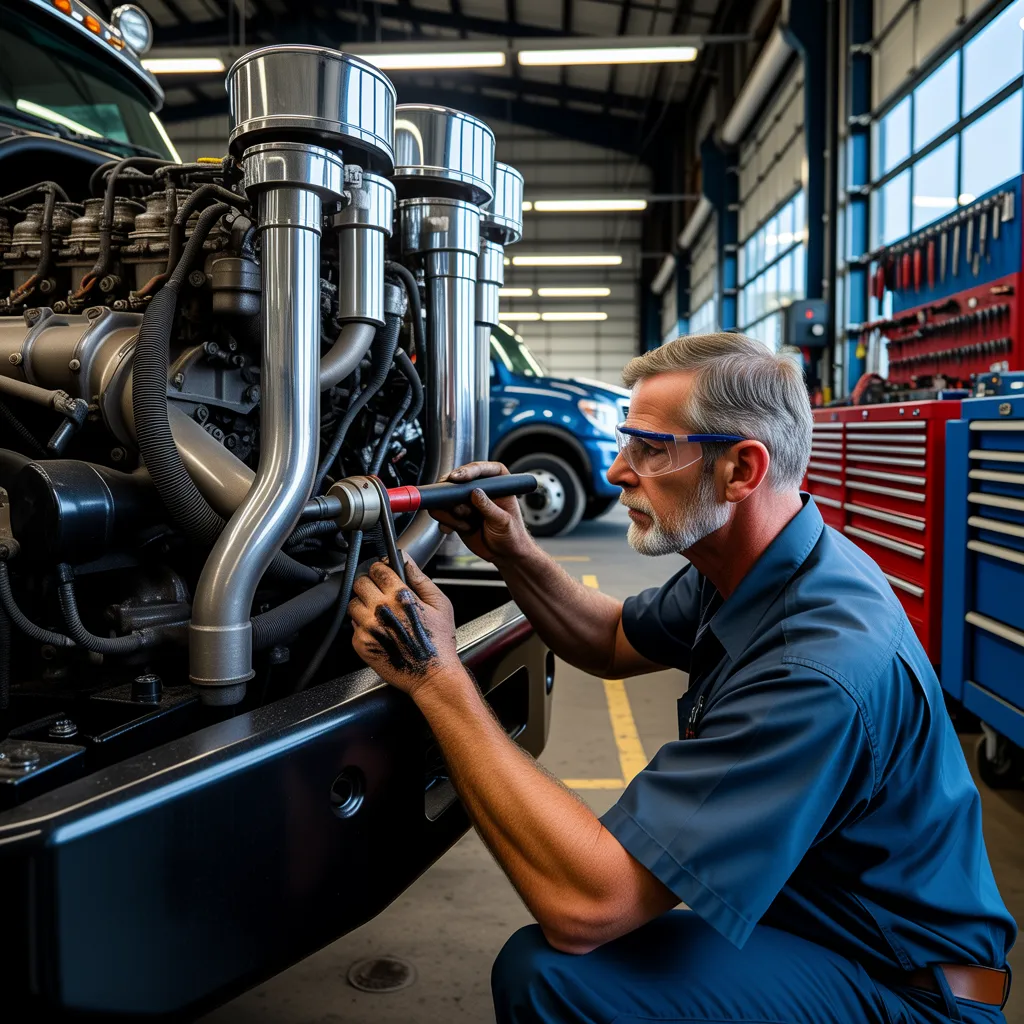
Understanding When Your Diesel Engine Requires Help?
How can one realize when a diesel engine requires attention? Many signs reveal that a diesel engine needs repair. Uncommon sounds, like knocking or hissing, frequently suggest internal complications. Moreover, excess smoke from the exhaust—particularly black, blue, or white—might indicate fuel inefficiency or oil leaks. A drastic drop in performance, such as decreased power or stalling, reveals issues that need immediate assessment. Fluid levels must be monitored carefully; low oil or coolant levels may warn of leaks or related problems. Additionally, a warning light on the dashboard should not be ignored, as it shows that the engine's management system has detected a malfunction. Finally, any changes in fuel consumption can also be a sign of trouble. Identifying these signs early can help avoid severe engine damage and maintain its useful life.
The Significance of Regular Diesel Engine Upkeep
Diesel engine care on a regular basis is critical for guaranteeing optimal output and lifespan. Scheduled inspections and upkeep help in detecting emerging issues before they become expensive repairs. Keeping the engine clean, replacing the oil on a regular basis, and inspecting filters represent key actions that boost efficiency and minimize emissions. Additionally, assessing fuel quality and caring for the cooling system avert overheating and enhance overall reliability.
Ignoring servicing can lead to diminished fuel efficiency and greater wear on engine components, ultimately shortening the engine's lifespan. Regular assessments also create opportunities to refresh software or make necessary tweaks to optimize performance. Moreover, following a maintenance schedule helps sustain warranty coverage and guarantees compliance with environmental regulations. By prioritizing regular diesel engine maintenance, owners can enjoy a more efficient, powerful, and dependable engine, contributing to lower operational costs and minimized downtime.
Why Expert Diesel Engine Repair Solutions Are Important
Specialist diesel engine repair services are essential in guaranteeing accurate diagnostics and effective solutions. By resolving issues in a timely manner, they help prevent costly breakdowns that can disrupt operations. Additionally, their expertise contributes to improving the overall longevity of diesel engines, safeguarding investments over time.
Expertise Delivers Proper Diagnostics
When a diesel engine experiences issues, the significance of professional analysis cannot be overemphasized. Skilled technicians have the knowledge and tools required to precisely identify issues that may not be readily apparent. Their skill enables them to analyze intricate data from diagnostic equipment, guaranteeing that the underlying reason of the issue is pinpointed rather than simply tackling surface-level symptoms. This thorough method reduces the likelihood of incorrect diagnosis, which can lead to unneeded repairs practical guide and extended idle time. Moreover, expert analysis contribute to a more efficient procedure, enabling for quick and successful solutions. Ultimately, relying on experts not only enhances motor operation but also maintains the longevity and dependability of the diesel engine, making it a vital aspect of maintenance.
Curtails High-Cost Breakdowns
Preventing costly malfunctions is a primary advantage of utilizing seasoned diesel engine repair services. These specialists command the knowledge and background to uncover emerging issues before they escalate into significant problems. Ongoing servicing, carried out by skilled technicians, guarantees that engines work optimally, diminishing the chance of unexpected failures. By addressing trivial repairs promptly, professional services mitigate risks associated with massive damage, which can result in expensive repairs and extended downtime. Moreover, professional diagnostics facilitate grasping the engine's unique needs, enabling bespoke solutions that amplify performance. Investing in such services ultimately safeguards against the pecuniary hardship that unforeseen breakdowns can impose, pledging that operations persist without interruption and costs stay regulated.
Extends Engine Longevity
Using qualified diesel engine repair assistance not only prevents costly breakdowns but also significantly boosts the longevity of engines. Skilled technicians have specialized knowledge and resources to detect and fix potential problems before they worsen. Regular maintenance, including oil changes and filter replacements, ensures peak performance and lowers wear on engine components. Furthermore, these services often employ advanced diagnostic methods that identify inefficiencies or malfunctions that might otherwise go undetected. By addressing issues early, diesel engine repair specialists can considerably extend the engine's operational life. This proactive method promotes reliability and efficiency, ultimately resulting in reduced operational costs over time. Essentially, investing in expert repair services is a wise decision for those seeking longevity from their diesel engines.
Standard Diesel Engine Troubles and Methods to Correct Them
Throughout the world of diesel engines, various common issues can limit performance and efficiency. Acknowledging these problems, together with deploying preventative maintenance and effective repair techniques, is important for optimal operation. This breakdown will present key challenges and solutions for maintaining diesel engine reliability.
Frequent Diesel Engine Complications
Diesel engines, known for their strength and performance, can face a variety of issues that may impede operation. One common problem is contaminated fuel, which can lead to inadequate burning and decreased output. Additionally, injector failure is a frequent issue, often resulting in rough idling or misfiring. Another issue is overheating, typically caused by leaking coolant or a faulty thermostat, which can severely damage engine components. Air intake restrictions, such as clogged filters, can restrict airflow and decrease efficiency. Finally, abundant exhaust smoke may indicate incomplete combustion, often linked to worn piston rings or faulty valves. Addressing these problems promptly is crucial to preserving the optimal engine performance and longevity.
Preventative Maintenance Guidance
Ensuring a diesel engine's operation requires consistent preventative maintenance practices designed to mitigate common concerns. Performing routine oil changes is necessary because fresh oil provides sufficient lubrication and reduces wear. Regularly checking and replacing fuel filters avoids clogging that can hinder engine performance. Keeping an eye on coolant levels and confirming the cooling system's effectiveness helps prevent overheating. Additionally, inspecting and maintaining the air intake system is vital for maximum combustion efficiency. Periodic checks of belts and hoses for wear can avert unexpected breakdowns. Finally, routine diagnostics can detect potential issues early, allowing timely intervention and minimizing costly repairs. Adhering to these practices supports engine longevity and reliable function.
Overview of Repair Techniques
Identifying and tackling common diesel engine problems is essential for ensuring optimal functionality and durability. Common problems encompass fuel system malfunctions, overheating, and high exhaust emissions. Effective repair methods often require diagnostics to pinpoint the underlying source, succeeded by targeted interventions such as installing new fuel injectors or flushing fuel filters. Overheating can be controlled by monitoring coolant levels and examining the radiator, while exhaust problems may require the replacement of the catalytic converter. Routine upkeep, such as oil changes and air filter replacements, can prevent many issues from occurring. By employing these maintenance approaches, diesel engine owners can improve reliability and efficiency, ultimately prolonging the life of their engines.
Picking the Right Diesel Engine Service Center
When searching for the ideal diesel engine repair shop, one must consider various factors that can significantly affect the quality of service. First, the shop's reputation is vital; online reviews and testimonials can provide insight into previous customer experiences. In addition, the credentials and experience of the technicians are paramount, as skilled professionals can properly identify and resolve issues.
The presence of modern equipment and technology is also vital in accomplished repairs. A well-equipped shop will probably perform repairs efficiently and accurately. Moreover, transparency in pricing and the clarity of service warranties can indicate a reputable business.
Lastly, closeness to the customer's location may improve ease of access, especially in urgent situations. By carefully evaluating these aspects, people can make well-considered choices when selecting a diesel engine repair shop that meets their particular requirements.
Suggestions for Prolonging the Life of Your Diesel Engine
Several uncomplicated practices can considerably extend the lifespan of a diesel engine. Consistent maintenance is critical; observing the manufacturer's service plan ensures regular oil service and filter replacements. Choosing superior fuel can likewise produce a major effect, as it minimizes the chance of injector deposits and improves combustion efficiency.
Monitoring motor heat levels is essential. Overheating can lead to serious harm, so maintaining proper coolant levels and addressing any leaks promptly is vital. Additionally, keeping the intake air system free of debris prevents dust and particles from entering the engine, which can create wear.
Driving tendencies matter too; refraining from excessive idling and quick acceleration helps cut down on strain on the engine. In conclusion, investing in a credible diagnostic tool allows for early problem detection, supporting proactive efforts that prevent pricey repairs. By following these strategies, diesel engine owners can maintain their engines' reliability and efficiency for years to come.
Common Inquiries Posed Regularly
Where should I look for a competent Diesel Engine Technician?
To find a skilled diesel engine specialist, one should seek recommendations, check online reviews, confirm credentials, and inquire about experience with specific engine types. Comparing multiple candidates guarantees selecting the most skilled professional for the job.
What Instruments Do I Want for Fundamental Diesel Engine Maintenance?
Necessary instruments for diesel engine upkeep consist of wrenches, screwdrivers, pliers, oil filters, a multimeter, a fuel pressure gauge, and a torque wrench. These instruments help guarantee proper maintenance and diagnostics of diesel engines.
Can I undertake My Own Diesel Engine Repairs?
Yes, you can perform your own diesel engine maintenance with the right tools, expertise, and safety measures. However, complicated problems may require expert help to guarantee peak performance and prevent further engine damage.
How frequently Should I Inspect My Diesel Engine's Oil Levels?
Assessing a diesel engine's oil levels every 5,000 to 7,500 miles is advisable. Routine evaluations validate optimal performance and hinder potential wear, facilitating timely maintenance and prolonging the engine's service life and optimization.
What Are Frequent Symptoms of a Broken Diesel Fuel Injector?
Frequent signs of a failing diesel fuel injector include rough engine idle, decreased fuel efficiency, excessive smoke from the exhaust, engine misfires, and a noticeable increase in engine noise during operation. Regular checks are suggested.